The Rise of HarmonyOS: 55 Million and Counting
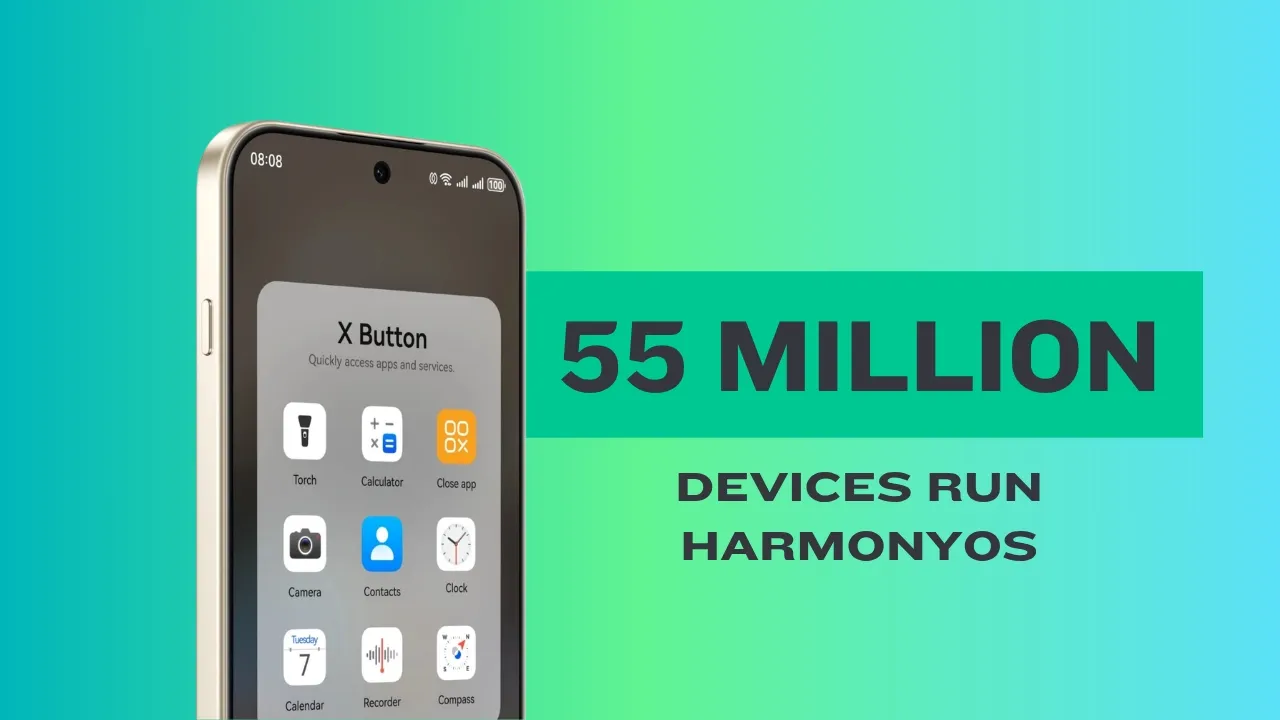
Despite ongoing restrictions from Western markets, Huawei has achieved a remarkable milestone with its open-source operating system. As of the end of March 2026, HarmonyOS runs on more than 55 million devices, according to Yu Chengdong, Huawei's Executive Director. This represents an addition of 23 million devices in just under six months—a testament to the growing adoption of domestic software in China. The company's success reflects a broader trend of Chinese consumers embracing homegrown operating systems and databases, driven by steady improvements in user experience and performance.
Key Features Driving Growth
The latest release, HarmonyOS 6, has been pivotal in attracting users. Among its standout improvements are:
- Fluid animations: Enhanced visual effects, including lighting and glass-like UI elements, make navigation feel smoother and more responsive.
- Performance boosts via Ark engine: The Ark engine, which handles multimedia and graphics processing, delivers measurable gains in gaming and video performance while extending battery life.
- AI-powered assistance: New tools simplify scheduling and camera functions—for example, one-touch depth and focus adjustments—bringing intelligent convenience to everyday tasks.
- AI-driven StarShield Security Architecture: This security framework adds anti-scam features and privacy enhancements, addressing growing concerns about digital safety.
- Expanded native app support: A wider range of third-party applications now adapt natively to HarmonyOS, reducing the friction of using the platform.
These features, combined with Huawei's lineup of affordable yet feature-rich devices, have fueled the operating system's rapid adoption.
The Open Source Foundation and Community Response
HarmonyOS is built on OpenHarmony, an open-source mobile operating system base similar to Android's AOSP but independent from it. The massive adoption of HarmonyOS encourages greater contributions to the OpenHarmony kernel, spurring growth in related projects such as EulerOS. However, the platform is not entirely open. HarmonyOS still relies on proprietary layers, including the Ark compiler and custom UI elements. Additionally, much of its documentation is available only in Chinese, limiting accessibility for global developers.
Criticisms and Controversies
The open-source community has reacted with mixed feelings. Some developers have criticized Huawei for what they perceive as intrusive tactics—spamming open-source projects with requests to adopt HarmonyOS. Supporters argue that such efforts are necessary to expand the ecosystem, while critics view them as counterproductive. The tension highlights the challenge of building a vibrant app ecosystem around a relatively new platform.
A New Era for Mobile Operating Systems
HarmonyOS's growth poses a genuine challenge to the longstanding duopoly of Apple's iOS and Google's Android. For consumers, especially those seeking affordable devices, increased competition means more choices and better value. The 55-million-device milestone signals that there is room for alternatives beyond the two dominant players. As Huawei continues to refine HarmonyOS and expand its device range, the operating system is poised to become a significant force in the mobile landscape—one that could reshape the industry's dynamics for years to come.