Breaking News: Command Line Interfaces Still Reign Supreme
Despite decades of predictions that graphical user interfaces (GUIs) would render the command line obsolete, industry experts confirm that text-based terminal tools remain indispensable for a wide range of professional tasks.
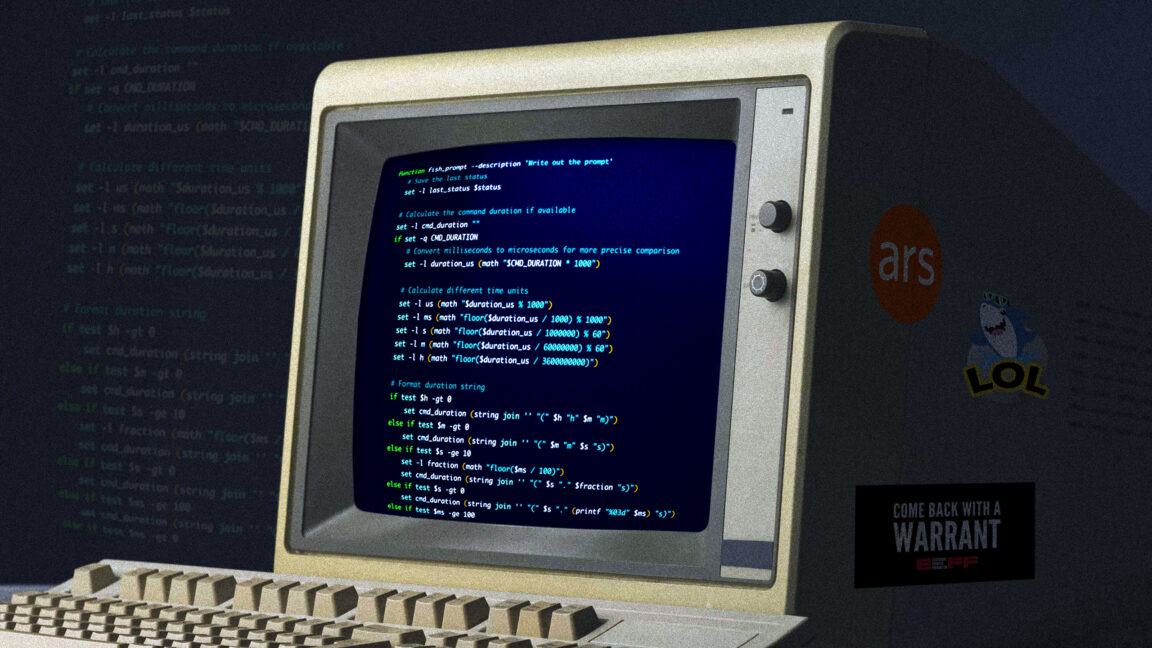
"The command line is not just surviving—it's thriving in areas where precision and automation are key," said Dr. Elena Torres, a systems researcher at MIT's Computer Science and Artificial Intelligence Laboratory.
Background
In the early 1990s, the rise of Windows, AmigaOS, and other graphical environments led many to believe that text interfaces would vanish. MS-DOS was often seen as a relic of a bygone era.
However, for tasks such as software development, server administration, and data analysis, the command line provides a level of control and efficiency that GUIs cannot match. "A mouse-driven interface reduces the user to pointing and grunting 'Do that!' at the computer," wrote longtime commentator John H. in a widely cited Slashdot post. "The command line lets you speak precisely."
What This Means
For professionals, the command line's endurance means that investing time in learning shell commands and scripting remains a valuable career move. It also highlights a broader truth: sometimes the oldest tools are the most powerful.
"We've seen a resurgence in terminal use among younger developers who grew up with GUIs," noted Dr. Torres. "They discover that with a few keystrokes they can accomplish what would take dozens of mouse clicks."
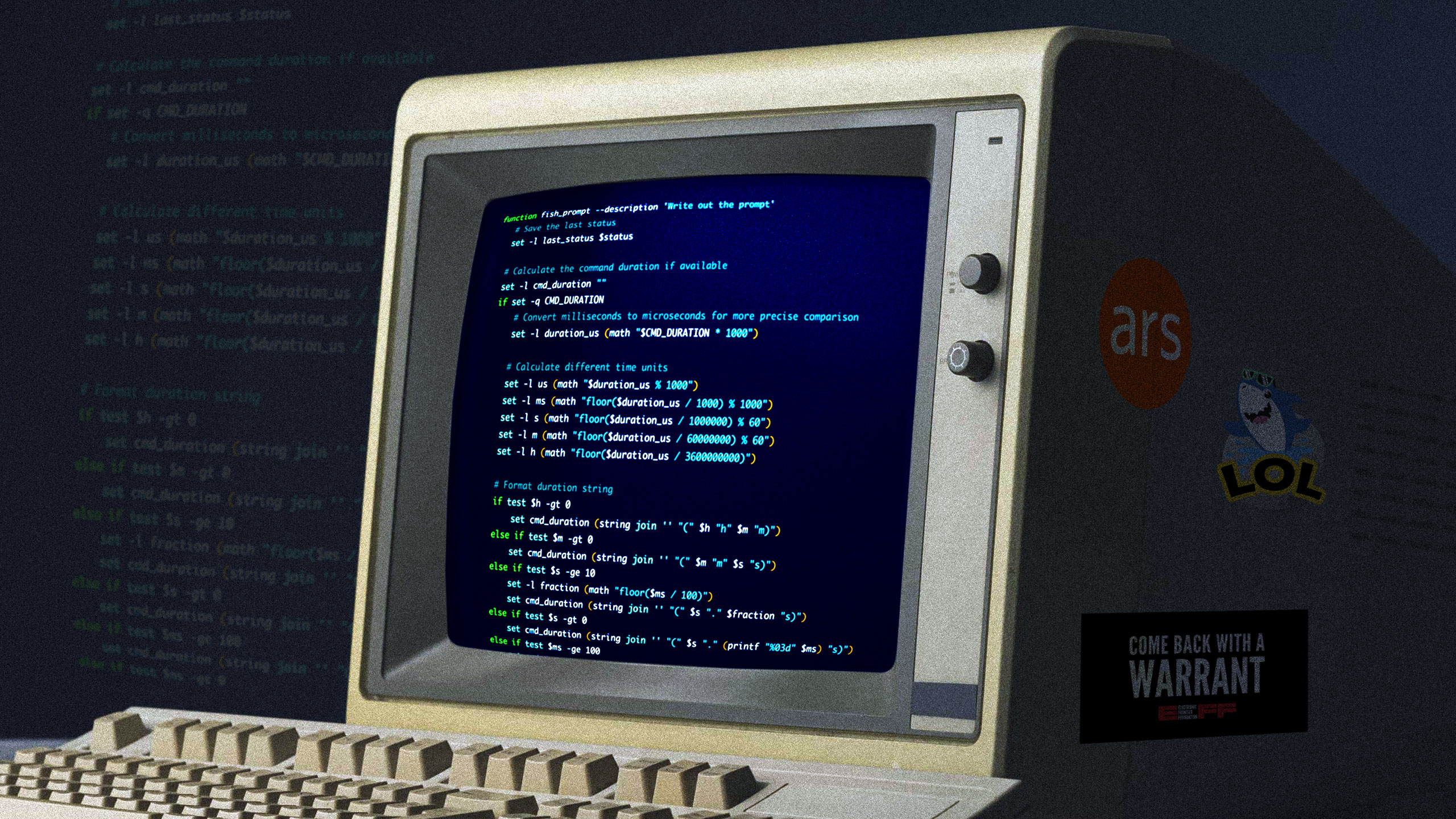
Expert Perspectives
Industry analyst Mark Chen of TechInsights argues that the command line's strength lies in its composability. "You can chain commands together, automate repetitive tasks, and work remotely over SSH—all things that are clunky in a GUI," he said.
This sentiment is echoed by many in the tech community. A recent survey by DevOps Weekly found that 78% of system administrators use the command line daily, and 62% consider it their primary interface for complex operations.
Looking Ahead
As cloud computing and containerization grow, the command line's role may expand further. "Kubernetes and Docker are primarily managed through terminals," said Chen. "The future of infrastructure is text-based."
For now, the command line stands as a testament to the lasting value of direct, unambiguous communication with computers. "GUI whisperers are nice, but sometimes you need to speak the language of the machine," concluded Dr. Torres.