Breaking News — Ouster has officially launched the Rev8 series of lidar sensors, marking the first time a single device captures both high-resolution camera images and 3D depth data simultaneously. The company’s engineers claim this is the world’s first “native” color lidar system, eliminating the need for separate camera and lidar units in robotics and autonomous vehicles.
“The Rev8 essentially gives robots and self-driving cars the ability to see the world in full-color 3D in real time,” said Dr. Anna Chen, Ouster’s Chief Technology Officer. “It’s a paradigm shift—no more fusing data from two sensors; this is one sensor doing both jobs seamlessly.”
Background
Traditional lidar sensors can only measure distance and reflectivity, producing monochromatic point clouds without color information. To create a full-color 3D map, engineers had to combine data from a separate camera, which introduced alignment errors, latency, and calibration challenges.
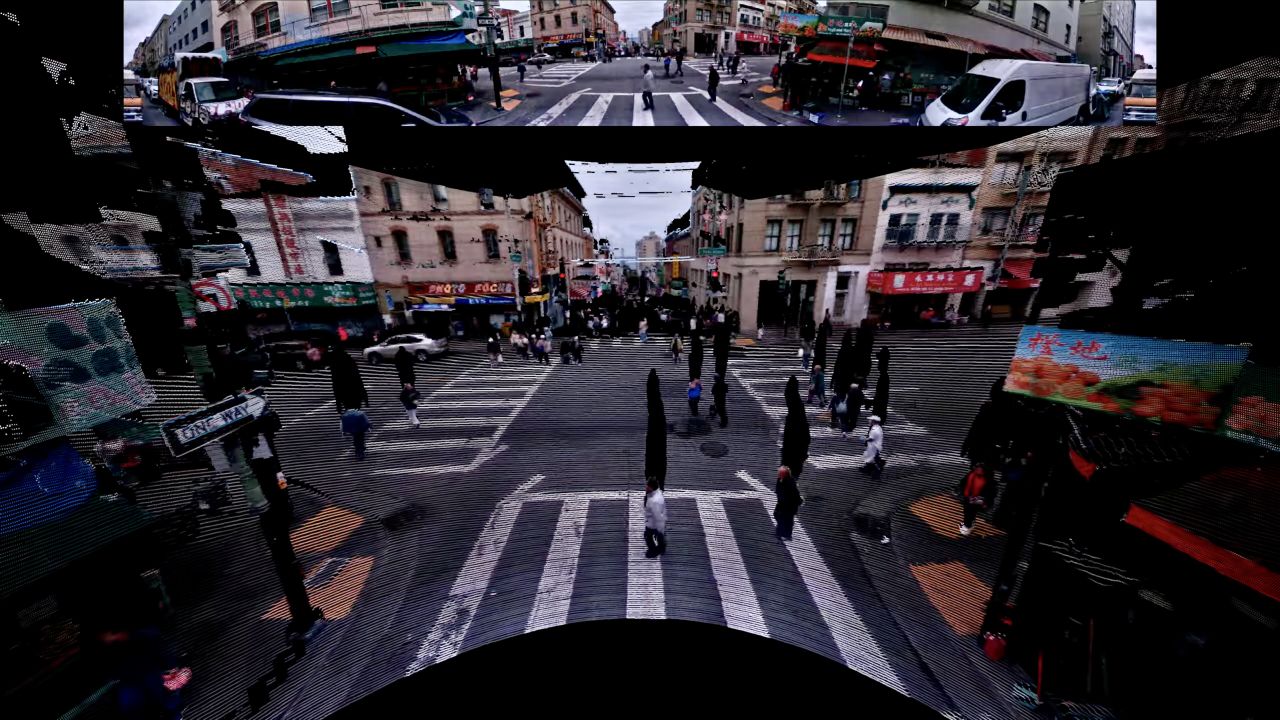
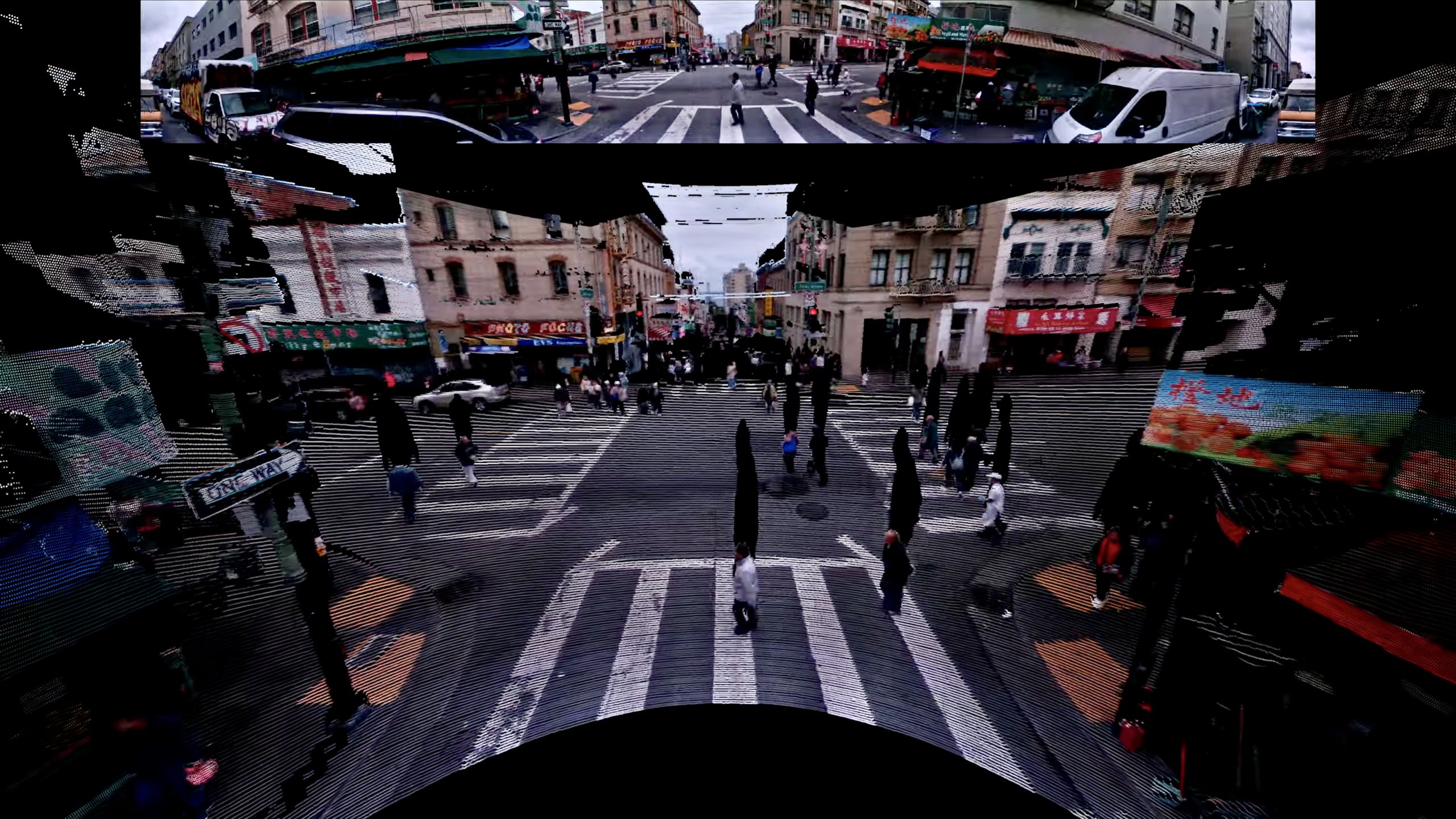
Ouster’s Rev8 solves this by embedding a 25-megapixel camera directly into the lidar’s optical path. The sensor simultaneously emits 64 laser beams and captures RGB pixels at a full 10 frames per second, outputting a dense, colorized point cloud with over 2.6 million points per second.
Key Features of the Rev8
- Native color lidar — No post-processing or sensor fusion required.
- 25 MP camera integrated into the same optical assembly as the lidar.
- 10 fps capture rate for both camera and lidar data.
- 64 laser channels delivering high-resolution 3D detail.
- Compact form factor designed for integration into autonomous vehicles, delivery robots, and industrial drones.
What This Means
The Rev8 has immediate implications for autonomous vehicle perception systems. By aligning camera and lidar data at the sensor level, manufacturers can reduce computational overhead and eliminate the most common source of perception failure: mismatched sensor data.
“This technology will accelerate development of Level 4 and Level 5 autonomous driving systems,” predicted James Liu, an analyst at TechVision Research. “Car companies can now test with true fused data from the start, cutting development time by months.”
Robotics companies also stand to benefit. As noted in the background section, warehouse robots and drones currently rely on multi-sensor setups that are fragile and expensive to maintain. The Rev8’s all-in-one design could reduce system costs by up to 30% while improving object recognition in complex environments.
Industry Reaction
Lidar competitors have so far stayed silent, but early adopters are excited. “We’ve been testing Rev8 for three months,” said Sarah Kim, VP of Engineering at AutoBot Inc. “The color point cloud is incredibly detailed—it can read street signs and detect lane markings in a single pass.”
The Rev8 is now available for pre-order, with volume shipments beginning in Q2 2025. Ouster expects first deliveries to autonomous vehicle OEMs and robotics integrators.