Breaking: SpaceX IPO Filing Details Ambitious AI and Infrastructure Vision
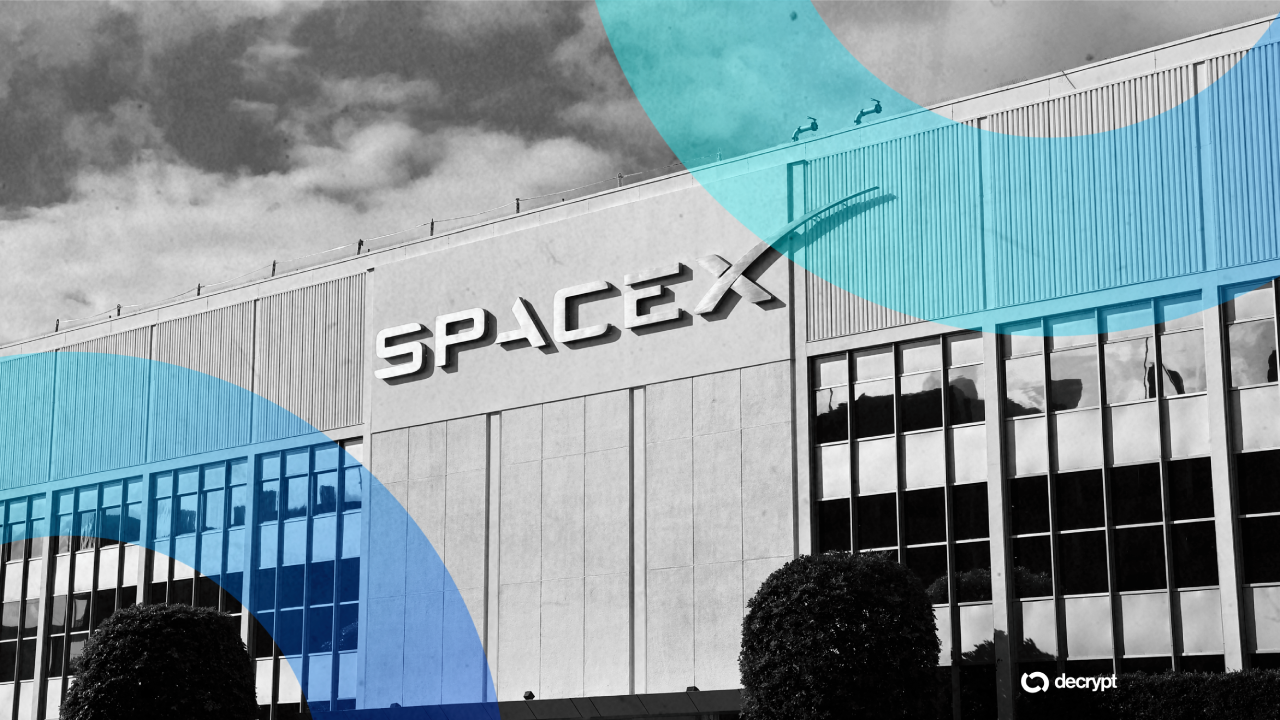
SpaceX has filed for its initial public offering, revealing a sweeping strategy to combine rocket launches, satellite internet, social media, and artificial intelligence under a single corporate umbrella. The filing outlines billions of dollars in planned spending on AI development and Starship upgrades, signaling CEO Elon Musk's intent to create an integrated technology and space infrastructure behemoth.
'This is not just a rocket company going public — it's the blueprint for a multi-domain monopoly,' said Dr. Elena Torres, a space industry analyst at Orbital Insights. 'The scale of AI investment alone dwarfs anything we've seen from a launch provider.'
Background: From Rockets to Everything
SpaceX has long been a dominant force in commercial spaceflight, with its Falcon 9 rocket and Starlink broadband constellation serving tens of thousands of customers worldwide. But the IPO prospectus reveals Musk's ambition to go far beyond launch services and internet access.
The document explicitly links SpaceX's future with Musk's other ventures, including X (formerly Twitter) and xAI, his artificial intelligence startup. It proposes that Starlink's low-latency network will serve as the backbone for AI computing, while Starship — SpaceX's next-generation super-heavy rocket — will deploy massive data centers in orbit.
'Musk has always talked about a future where AI, communications, and transportation are one ecosystem,' noted aerospace historian Dr. James Chen from MIT. 'The IPO makes that vision concrete and shows investors how each piece fits together.'
What This Means: A New Kind of Corporate Giant
If realized, the plan would create a vertically integrated giant controlling everything from rocket manufacturing to social media algorithms. Analysts say this could revolutionize multiple industries — and raise serious antitrust questions.
'We're looking at a company that could own the pipes, the platforms, and the intelligence layer,' said Sarah Nguyen, a tech policy researcher at the Center for Digital Progress. 'Regulators will need to examine whether such concentration stifles competition in space and AI.'
SpaceX intends to spend over $10 billion on AI research and infrastructure over the next five years, according to the filing. This includes developing autonomous Starship landing systems, AI-powered satellite collision avoidance, and new language models integrated into X's services.
Analyst Reactions: Optimism and Skepticism
Investor response has been mixed. Some praise the boldness; others caution that Musk's track record includes missed deadlines and overpromises. 'The financials are impressive, but merging so many complex systems is unprecedented,' warned venture capitalist Mark Hsu of Nova Ventures.
SpaceX itself has not commented beyond the regulatory filing. However, the document states that 'the integration of AI, space logistics, and digital communications will unlock capabilities currently considered science fiction.'
— This is a developing story. Check back for updates.